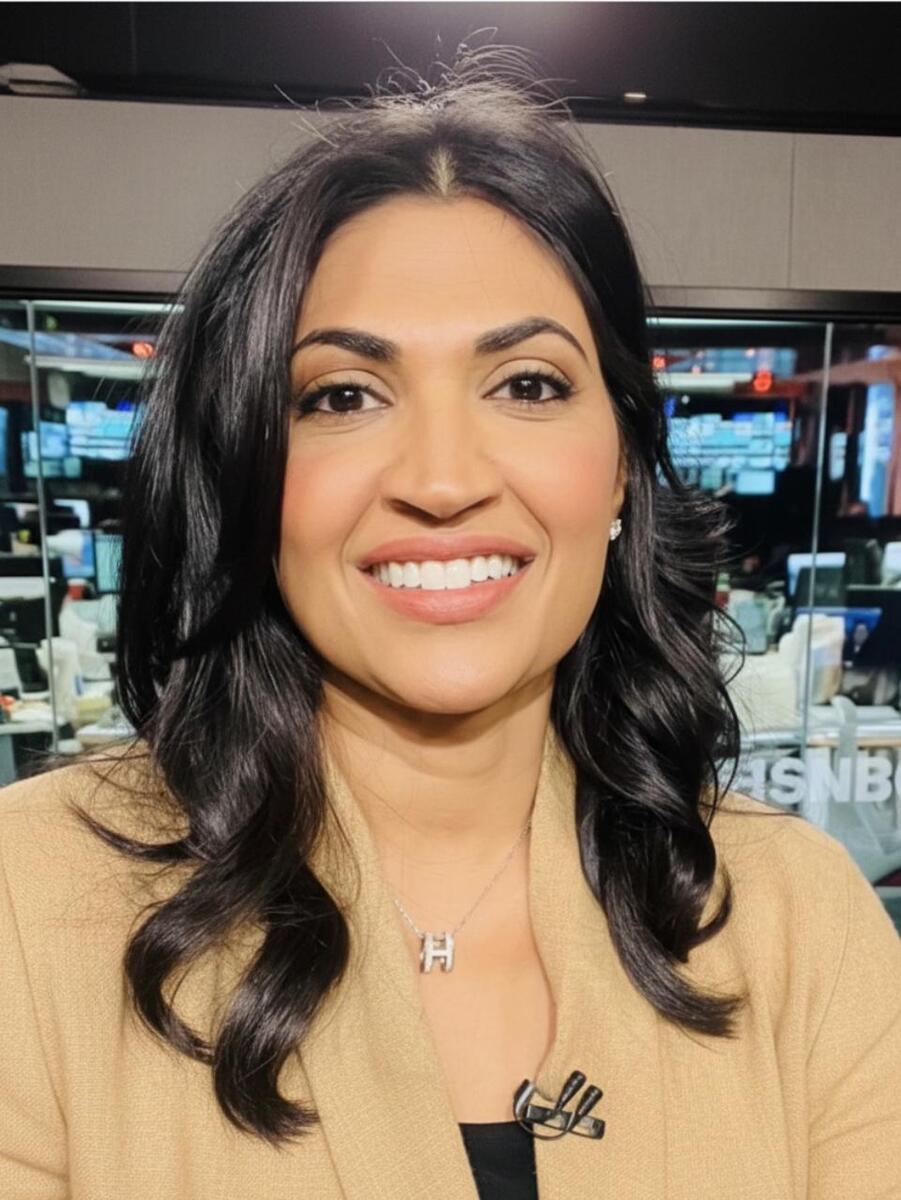

From @vinitaspeaks on TikTok
This video on TikTok (entire video here) has been watched by about 1.5 million people and counting. The response to this video amazes me because the advice seems so simple, but looking back on it, I would argue the advice is missing something.
While the start of a conversation sets momentum, the end shapes what people remember. So often my clients focus on the middle: the argument, the data, and the explanation. That’s also how I was trained to edit interviews for almost 20 years in network newsrooms.
While the middle of a conversation is important, ignoring the beginning and the end of a conversation is a huge mistake. If you can get both parts right, even the smallest interaction can feel intentional.
In this week’s newsletter we will cover:
The Biological Reasoning
This Week’s Practical Tip: Foolproof Openers & Closers
Next Week’s Topic
The Biological Reasoning
When I train clients one on one, our first meeting is almost always on Zoom. The second they see me, I’m looking straight into the camera—not at my notes, not at my phone. I do it deliberately.
That moment is their first impression of me, and I cannot get it back. Within milliseconds we each have a gut reaction. My eye contact, attention, and smile proactively answers the question we all have when engaging with someone knew, “Is this safe?” When the answer is yes, the conversation opens up.
A gut reaction isn’t a thought—it’s a nervous system response. But the right opening words can help the brain reinterpret that response. When presence, tone, and language align early, you can shift a gut reaction before it hardens into a judgment.
Sadly, it’s not as easy at the end of a conversation. But the right closing words can soften the impact of a negative interaction, or at least leave the person feeling a small positive note.

This Week’s Practical Tip: Foolproof Openers & Closers
So… what should you say at the start and at the end of a conversation? The key is to uplift, compliment, or encourage in the first 30 seconds —and to end by reinforcing appreciation, respect, or goodwill as you walk away.
Openers
“I’m really glad we’re talking.”
“It’s good to see you!”
“I was hoping we would have a chance to talk- you always have a great perspective.”
“You look great!”
“I am so glad you’re here.”
“The key for every opener and closer is your delivery. We are all amazing lie detectors. If you are not genuine, the other person will know. So don’t say something you don’t mean.”
Closers
“I really enjoyed this. I hope the project goes well for you.”
“I’m so glad we spoke!”
“You made this conversation way more fun than I expected.”
“I’m so glad we met.”
“You really inspired me. Thanks for sharing so much.”
If these suggestions feel inauthentic, tailor your words to your style— keeping the principles of encouragement and appreciation in tact. Just remember, inauthenticity is very hard to hide.

Next Week’s Topic
Have you ever finished speaking and thought, Why did I say all of that?
Next week’s newsletter is about how to organize your thoughts before you speak—so your point lands without the ramble.
If you like this newsletter, I hope you’ll share it with someone who could benefit from communication training. I also offer private and group training. You can email me at [email protected], or you can book a session below.
Thank you for taking the time to read this!
