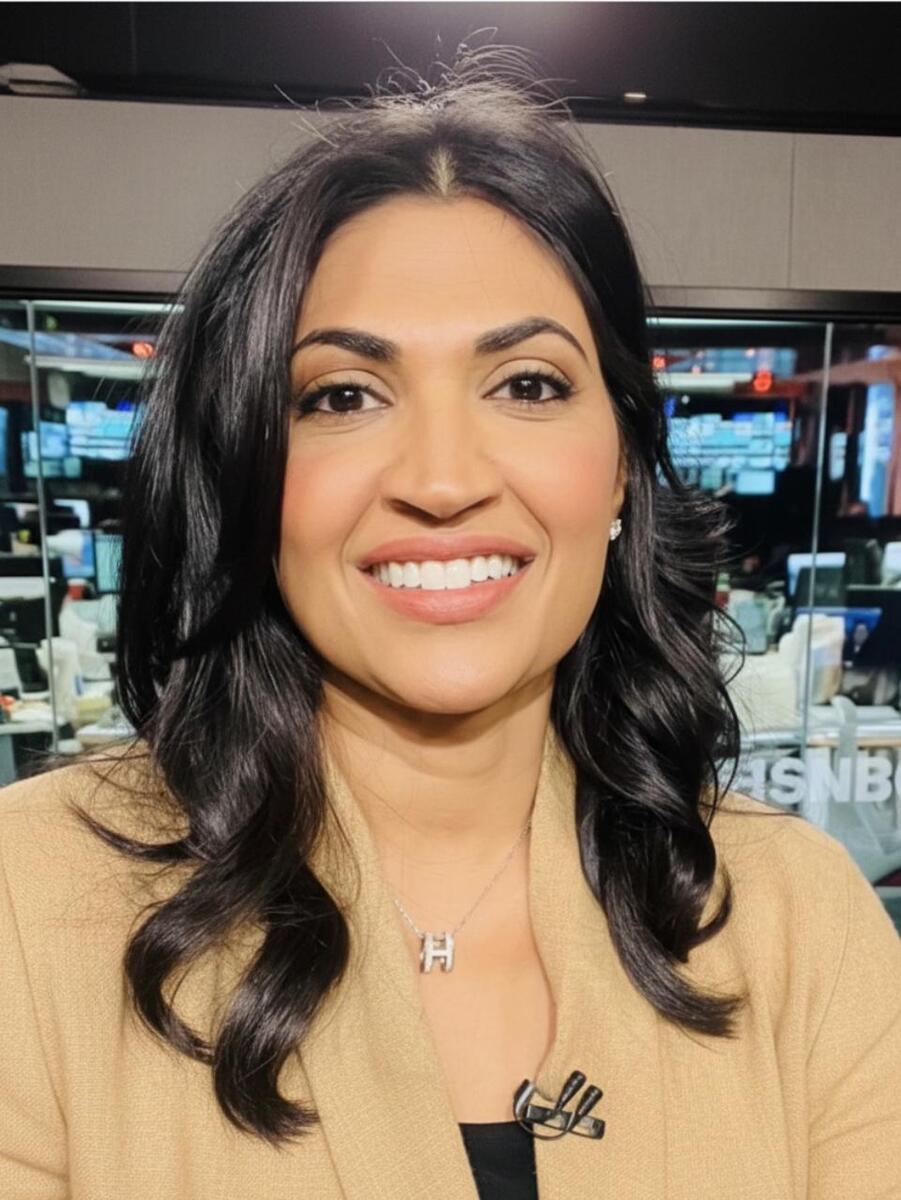

Every time a new client or company hires me, I see their communication challenge as a puzzle I genuinely enjoy solving.
Whether it’s a startup or a global brand, I try to give them practical tools they can use immediately, not theories they have to interpret later.
Even with my network news background, a big part of how I develop those tools is constant learning. I read about communication whenever I can, and I listen to books on Audible when I’m commuting or walking.
If you ever want book recommendations, just reply to this newsletter and I’ll happily send you a few of my favorites.
This week’s newsletter focuses on one of the most common communication challenges: how to get someone else to stop talking without being rude.
The Power of a Framework
This Week’s Tip: Acknowledge → Bridge → Redirect
Next Week’s Tip
The Power of a Framework
One of the biggest sources of anxiety, universal among my clients, is uncertainty about what to say next, regardless of the situation.
That’s when a framework becomes incredibly useful, and I often design and teach them around the rule of three.
Why three? Simply put, our brains are designed to comfortably process three to four chunks of information at once.
That’s why so many things follow this structure. A knock-knock joke works in three beats: setup, response, punchline. A story does also: beginning, middle, end.
The pattern feels natural because it gives both the speaker and listener a clear structure to follow.
What communication situation stresses you out the most?
This Week’s Tip: Acknowledge → Bridge → Redirect
When someone dominates a conversation, most people hesitate to interrupt because they worry about being rude. But if you’re the leader in the room, moving a conversation forward is part of your role.
The interruption isn’t the problem, but how you do it can be.
Acknowledge → Bridge → Redirect
Acknowledge
It’s okay to briefly interrupt- just start by acknowledging the person’s point so they feel heard.
“Let me jump in for a second, that’s a really helpful point about the timeline.”
Bridge
Connect what they are saying to the larger goal of the conversation or meeting.
“Since we’re trying to decide next steps today…”
Redirect
Guide the discussion forward by asking a question, or moving to the next decision, or inviting another voice
“Sarah, what options do we have to move this forward?”
Another full example:
“You’ve raised some important risks with the rollout. To keep us focused on the decision today, do you think it makes more sense to launch the pilot next month or wait until Q3?”
An example adapted for personal use, like a cocktail party:
Acknowledge:
“That trip sounds incredible.”
Bridge:
“Hearing about all the places you visited is making me curious...”
Redirect:
“…what was the best thing you ate while you were there?”
The redirect pulls one detail from what they said and focuses the conversation, rather than letting the story continue endlessly.

Next Week
This week’s framework shows you how to politely interrupt, redirect the conversation, and get a discussion back on track when someone won’t stop talking- though I can never guarantee a 100% success rate:

Next week: how to get the quietest people in the room to share their best ideas.
If you know someone who could benefit from practical communication tips, I hope you'll share this with the. If you’re interested in private or team coaching, email me at [email protected].
