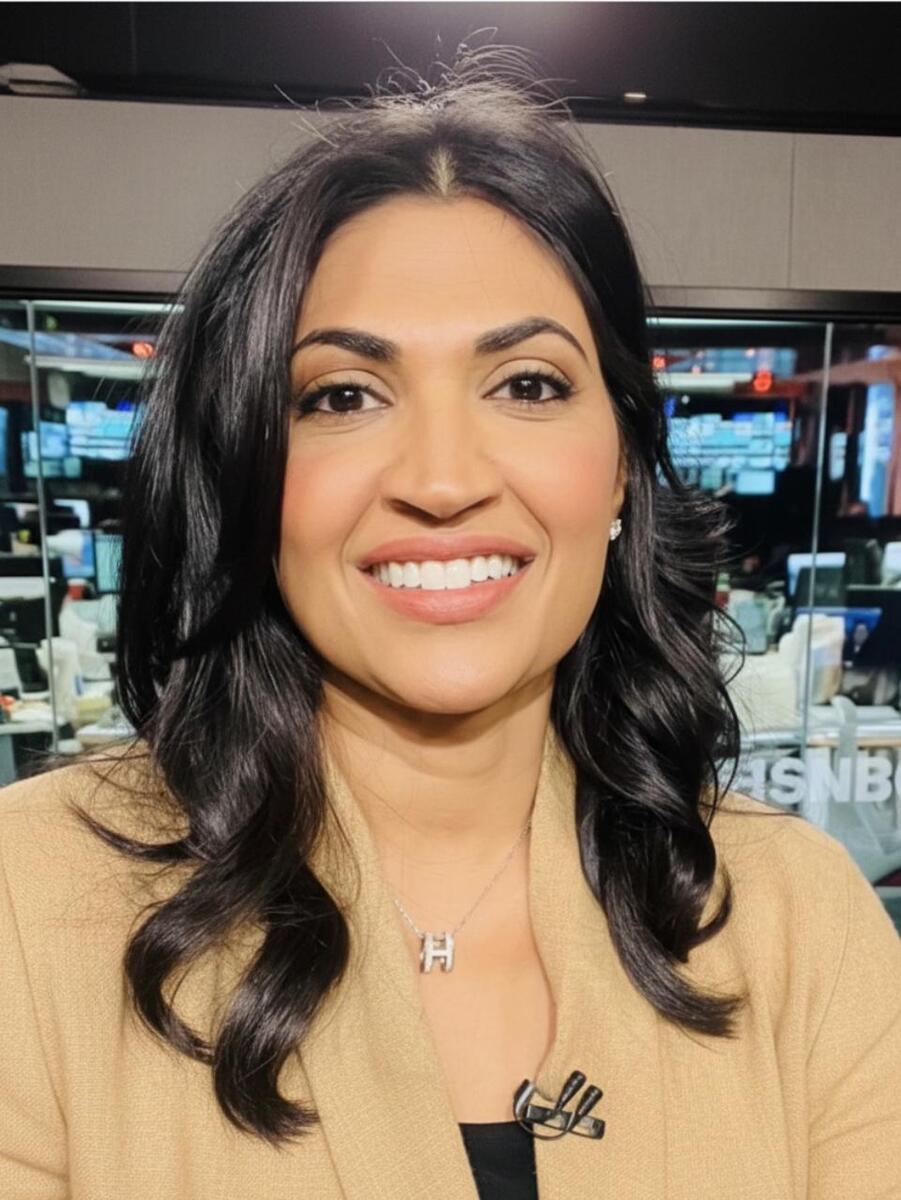
For nearly two decades as an anchor at ABC, NBC and CBS News, I watched people have some of the best, and some of the worst conversations.

The bad ones were never due to a lack of intelligence or experience. It was that the speakers had never been trained on how to connect and communicate properly.

Each week, this newsletter will focus on one practical communication tip designed to enhance your connections.

These soft skills gained traction on my Tik Tok, where more than 240,000 people follow my work. They’ve been honed by the executives and employees I train daily.

Today’s newsletter focuses on how to keep a conversation going. We will cover:

Soft Skills vs. Hard Skills

Whether it’s an executive at a luxury brand, a small business owner, or a doctor in private practice, the clients I coach tend to ask me the same things. One of the most common is: how do I connect with people who I have nothing in common with.

The culprit isn’t hard skills, or all of the things we are taught in school that give us credentials — it is a failure in soft skills. Soft skills are how you interact with other people and adapt in a conversation. I would argue soft skills are a lot harder to learn than hard skills.

The graph below, compiled by researchers at Harvard, Stanford, and the Carnegie Foundation compares the two as they affect leadership and career advancement.

Skill Importance for Leadership

AAA: This week’s Practical Communication Tip

One of the easiest ways to overcome a barrier in connection is to be interested in what the other person is saying. In my training, I suggest a ratio of 30% speaking to 70% listening. For executives, who are often required to promote a business, listening to others can be a challenge.

That’s why the the AAA Method is so successful. It’s been viewed by more than 2.4 million people on my Tik Tok, prompting countless viewers to reach out to me for training.

The AAA method stands for Answer, Add, Ask:

A — Answer
Answer the question directly and concisely. Not a one-word dead end and not a long-winded monologue—just one clear sentence.

A — Add
Add one relevant detail, thought, or bit of context that gives the other person something to respond to.

A — Ask
Ask a related question that naturally hands the conversation back. This signals interest and keeps the momentum going.

Sample Conversations To Guide You

This dialogue is loosely based on a training session I completed with a small business owner who manages a staff of less than 50. When we met, he told me his staff found him cold and difficult to talk to.

During our training sessions, we practiced sample conversations. I asked him how he would respond to an employee asking, “Where do you see the company going this year?” He said, “Hopefully more growth,“ and ended the conversation.

He didn’t think his employees really cared, and in turn they thought the same about him. No connections were established. Then we redid the conversation using the AAA method.

Employee:
“Where do you see the company going this year?”

Owner (Answer):
“Our focus this year is strengthening our core product and improving customer retention.”

Owner (Add):
“That means fewer experiments and more investment in what’s already working, especially support and onboarding.”

Owner (Ask):
“From your seat, what do you think customers are struggling with most right now?”

Even if it feels like more work, your goal in any conversation should be engaging the other person.

Closing

If there’s one takeaway from this training, it’s this: great conversations don’t always come naturally. They’re a dance—sometimes you lead, sometimes you follow, and those roles can change at any moment.

Next week, we’ll shift to the physical side of communication: what to do with your hands and feet, and where to place your camera when you’re on screen. Yes, there are rules—and even measurements! I’ll break them down into practical tips you can use immediately.

Thank you for reading. If you know someone who could benefit from communication training, please share this newsletter.

Keep Reading