Sponsored by


Many years ago, a gate agent upgraded me to business class on an international flight for free without me asking.
Here’s what I said to him about 30 minutes before my flight to Italy.
Vinita: Is it possible to downgrade my extra leg room ticket to standard?
Agent: What? No one has ever asked me that. Why?
Vinita: I realized I could save the money and use it for another trip with my family. I think I feel a little guilty leaving them for a girls trip.
Agent: Let me see your ticket. Are you okay with an aisle?
He handed me back a new ticket for 6F.
It wasn’t until I boarded that I realized what he had done. A lie-flat seat, double the cost of my original ticket, for a passenger with no status on his airline.
When I tell frequent fliers this story, they usually have the same stunned, almost annoyed reaction. Then they ask: Wait… why did he do that?
At the time, I didn’t fully understand it.
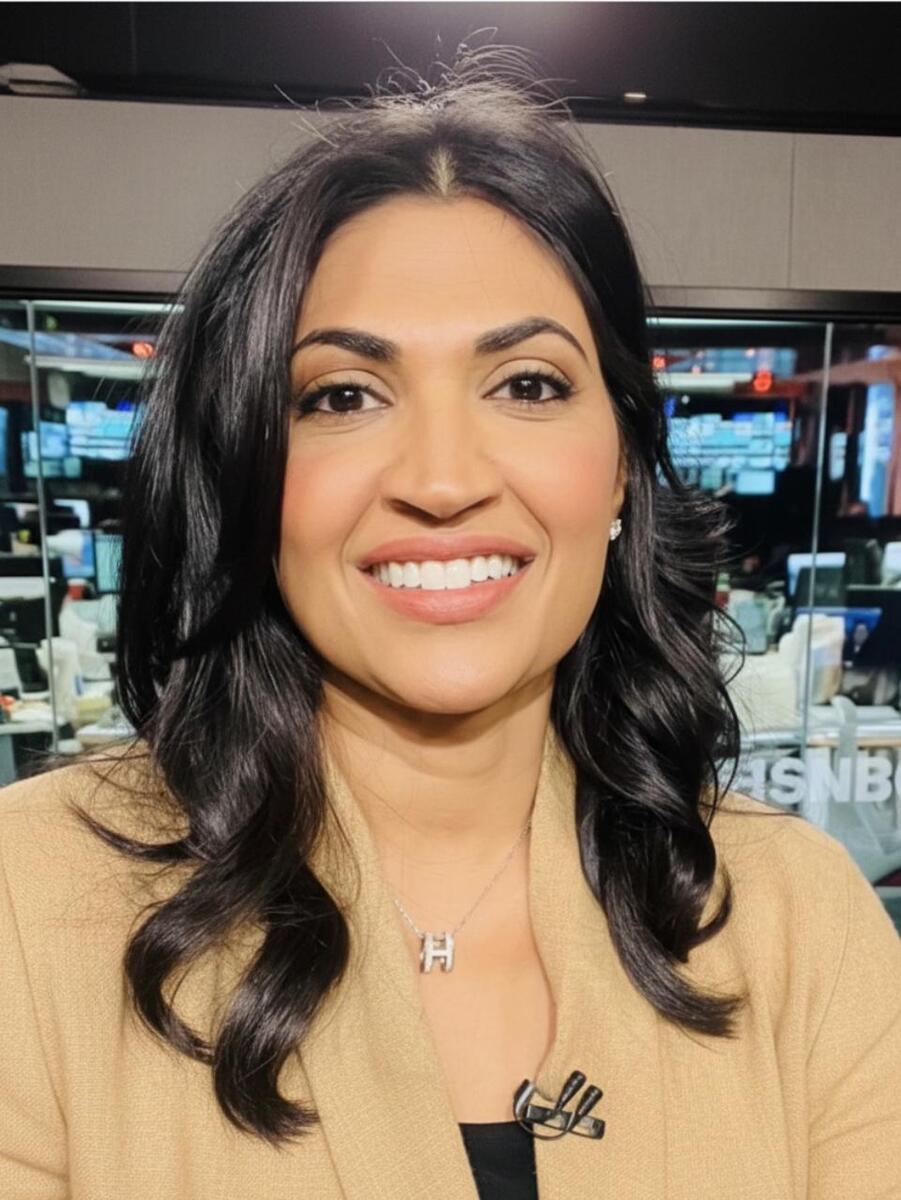
But looking back now, after nearly 20 years in network news and now coaching executives on effective communication, I can see why.
My story gave him a window into how I think, what I value, and who I am. In a matter of seconds, it changed how he perceived me and what he wanted to do for me.
In most conversations, we focus on what we want. The ask, the point, the outcome. What we forget is that people are reacting to our story in real time.
This week is all about telling a story that actually moves your listener. We’ll cover:
Why your brain remembers stories
This week’s tip: Frame it fast. Tell it clean. Let it land. (Jump here ⬇️)
This week’s laugh (Jump here ⬇️)
Why your brain remembers stories
Stories give structure to information in a way raw facts cannot.
They organize ideas into a sequence with a beginning, a shift, and an outcome, which mirrors how the brain is wired to process and make sense of information.
It’s why you’ll sit through the end of a movie you don’t even like. Once there’s a setup, your brain wants to see how it resolves.
That’s why we’re up to 22 times more likely to remember a story, according to Stanford researchers.
In high-stakes communication, that’s not a nice-to-have. It’s a strategic advantage.
Before the tip, another example of a story from my TikTok.

If my newsletters are helpful, there’s probably someone in your world who’d like them too. Please share it with them!
This week’s tip: Frame it fast. Tell it clean. Let it land.
1. Frame it where the tension begins
Most people start too early. Strong storytellers start where something is at stake.
Do:
“I walked into the meeting and immediately knew I had a problem.”
Don’t:
“I had a meeting earlier today that I’m still thinking about. My boss just wasn’t happy and I could tell the minute I walked into the room.”
Why it works:
You have about 5–10 seconds to earn attention. If there’s no tension, people mentally check out before your story even starts.
2. Tell it clean: cut more than feels comfortable
Most stories aren’t unclear, they’re diluted.
Do:
“I forgot his name.”
Don’t:
“So I was talking to him and then I realized even though this was our fifth meeting – actually, I’ve probably met him more than five times because I’ve run into him randomly and we’ve chatted – and I felt terrible that I couldn’t remember his name.”
Why it works:
Most people need to cut the middle by at least 50%. Fewer words = more impact.
3. Let the insight land instead of announcing it
The most effective storytellers don’t explain the lesson. They let you feel it, which requires restraint.
Your goal is to make the audience think after you finish the story.
Do:
Pause and watch your listener. If the story landed, they’ll react or ask a question that shows they got it.
Don’t:
Jump back in to restate the story, fill the silence, or summarize with “the takeaway is…”
Why it works:
Your brain is wired to complete unfinished thoughts. When something is implied but not stated, people connect the dots themselves.
That moment of realization is what makes the insight stick. Not because you said it well, but because they arrived at it on their own.
This week’s laugh
If you want to work with me or you’re looking to help your team communicate more effectively, I speak at company events and lead interactive workshops.
Email me at [email protected].

How Jennifer Aniston’s LolaVie brand grew sales 40% with CTV ads

The DTC beauty category is crowded. To break through, Jennifer Aniston’s brand LolaVie, worked with Roku Ads Manager to easily set up, test, and optimize CTV ad creatives. The campaign helped drive a big lift in sales and customer growth, helping LolaVie break through in the crowded beauty category.
