In partnership with


Mayors of Cincinnati, Fort Worth and San Diego
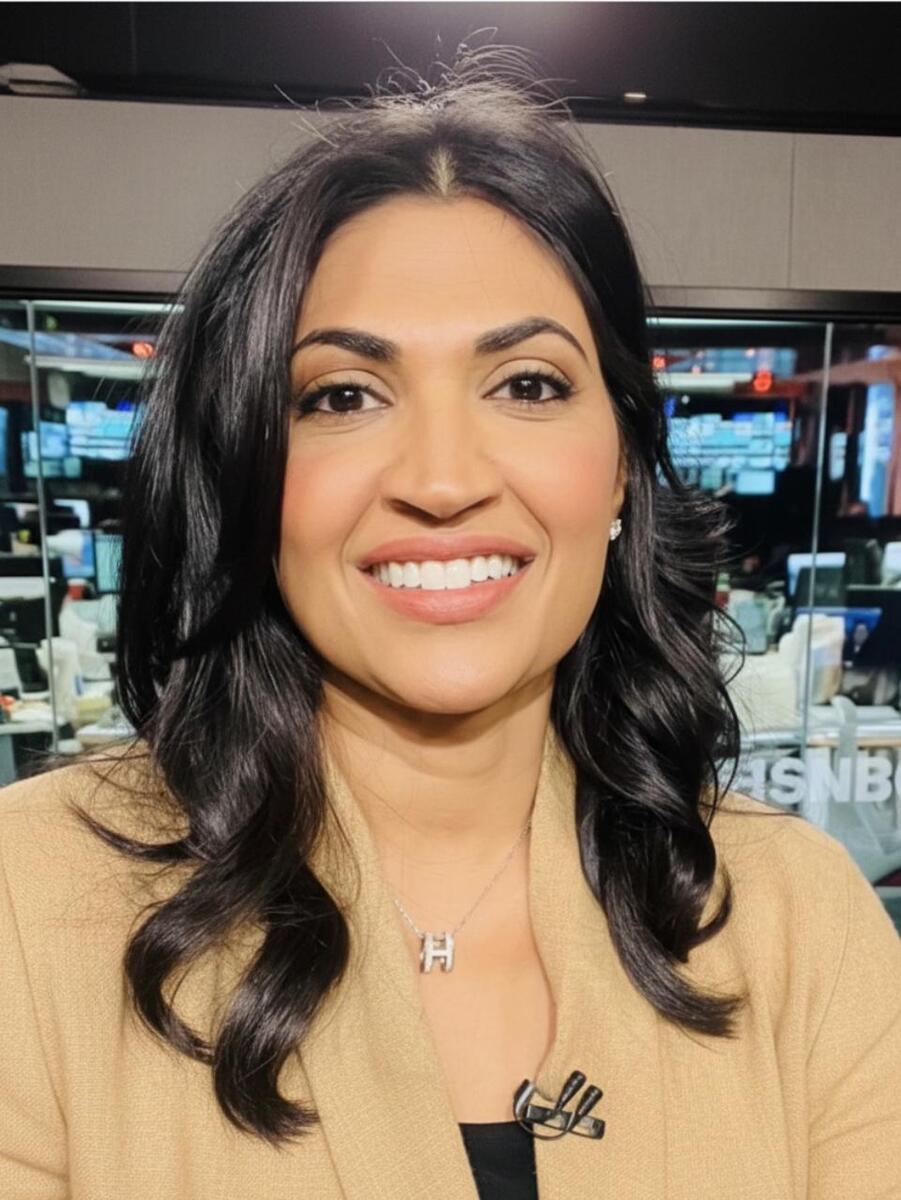
This past week, I was invited to attend The Atlantic Festival in New York City.
It’s a series of talks, like the one above, separated by networking breaks and cocktail parties.
I rarely attend events like this alone, so I decided it was the perfect opportunity to study how people connect.
I watched how they started conversations, how they kept them going, and ultimately what brought them to a close.
I also put my own strategies, the ones I recommend to my 240k followers on TikTok, into practice.
Even after 20 years in front of the camera and now running my own communication trainings, I still love watching how people connect.
This week, we’ll go over some strategies to make talking to new people a lot easier. We’ll cover:
Why Talking to Strangers Feels So Hard
Most of us aren’t afraid to talk. We’re afraid the other person won’t want to talk to us.
Psychologists have a name for this: the “liking gap.”
Simply put, people usually like talking to us more than we think they do.
Remember that the next time you feel nervous.
Scripts to Start, Build, and Gracefully End a Conversation
1. Start with what’s happening
The easiest conversation starter is often something happening right in front of you.
Ask an open-ended question, meaning one that invites more than a simple “yes” or “no.”
Waiting outside an auditorium, I asked about the shared experience:
“This is my first session. Have you been to any good ones?”
Seated inside, I invited an opinion or prediction:
“I’m excited for this to start. What do you think they will cover?”
At cocktail hour, I approached the mayor of Cincinnati and offered a specific compliment.
“I don’t want to interrupt, but I heard you speak and wanted to tell you how much I enjoyed it. Are these panels fun for you?”
If you like this newsletter, please help it grow!
2. Gauge the momentum
In every conversation, pay attention to three things in the other person and yourself: eyes, depth of response, and body language.
Eyes: Are they focused on you or scanning the room? Are you doing the same? One glance means nothing. A pattern does.
Depth of response: One-word answers give a conversation nowhere to go. If someone asks why you came, offer a detail they can build on. Notice whether they do the same.
Body language: Are they facing you and settling in, or turning toward the exit? Check your body too. You may sound interested while your posture suggests you’re ready to leave.
3. Make a graceful exit
A good conversation doesn’t need to be long to be successful.
At a busy networking event, three to five minutes is often enough to make a connection.
After speaking with the mayor for three minutes, I said:
“I don’t want to steal your night. I just wanted to say hello.”
I gave him the opportunity to leave. Instead, he kept the conversation going.
That’s the goal of a graceful exit: end the conversation without making the other person feel dismissed while giving them the freedom to leave.
You can also close the conversation by explaining your next move:
“I’m going to grab a drink, but I’m so glad we met.”
Or, suggest a way to continue the relationship:
“I really enjoyed meeting you. I’d love to give you my contact info”
This Week’s Funny:
If you are looking for a practical communication speaker for your next event, email me at: [email protected]
Now for your funny:

The ice cream shop that makes money when it's cold

28 Wishes sells ice cream in Los Angeles. Below 70°F, sales fall about 20%. The weather is out of their hands. Rent isn't.
So the owners started putting about $20 a day into Kalshi weather markets, taking the cold side. The days that keep customers away now pay something back.
This is hedging. Big companies have done it for decades, buying protection against bad weather, fuel spikes and rising rates. It used to take a broker, a trading desk, and an order size no corner shop could meet.
Kalshi opens it up. Contracts on weather, fuel prices, inflation, tariffs and regulation, starting at a few dollars. Take a position on the outcome that would hurt you. If it hits, the payout softens it. If it doesn't, the contract expires and the good month was the point.